Digital Humanities Scholars
Applying Digital Methods to Humanities Problems
The Digital Humanities Scholars are a cohort of undergraduate students from across the university getting hands-on experience working on digital humanities projects by collaborating on faculty projects. Scholars participate in workshops, meet weekly with a member of IDRH staff, attend events, and receive training in DH methods and tools.
2025-2026 Scholars
Kazeo Abdulqader
Kazeo Abdulqader holds an Associate of Arts degree in Liberal Arts from Johnson County Community College. She is a senior studying English at KU, and as a IDRH scholar, her favorite project is the Monday Nite Footballers project: Field Data Collection, Conversion, and Various Analyses. It is her favorite due to it's history and roots that birthed vital essences of what makes Kanas City. She enjoyed learning new coding skills, programs, and better prompt writing skills when working with generative A.I.
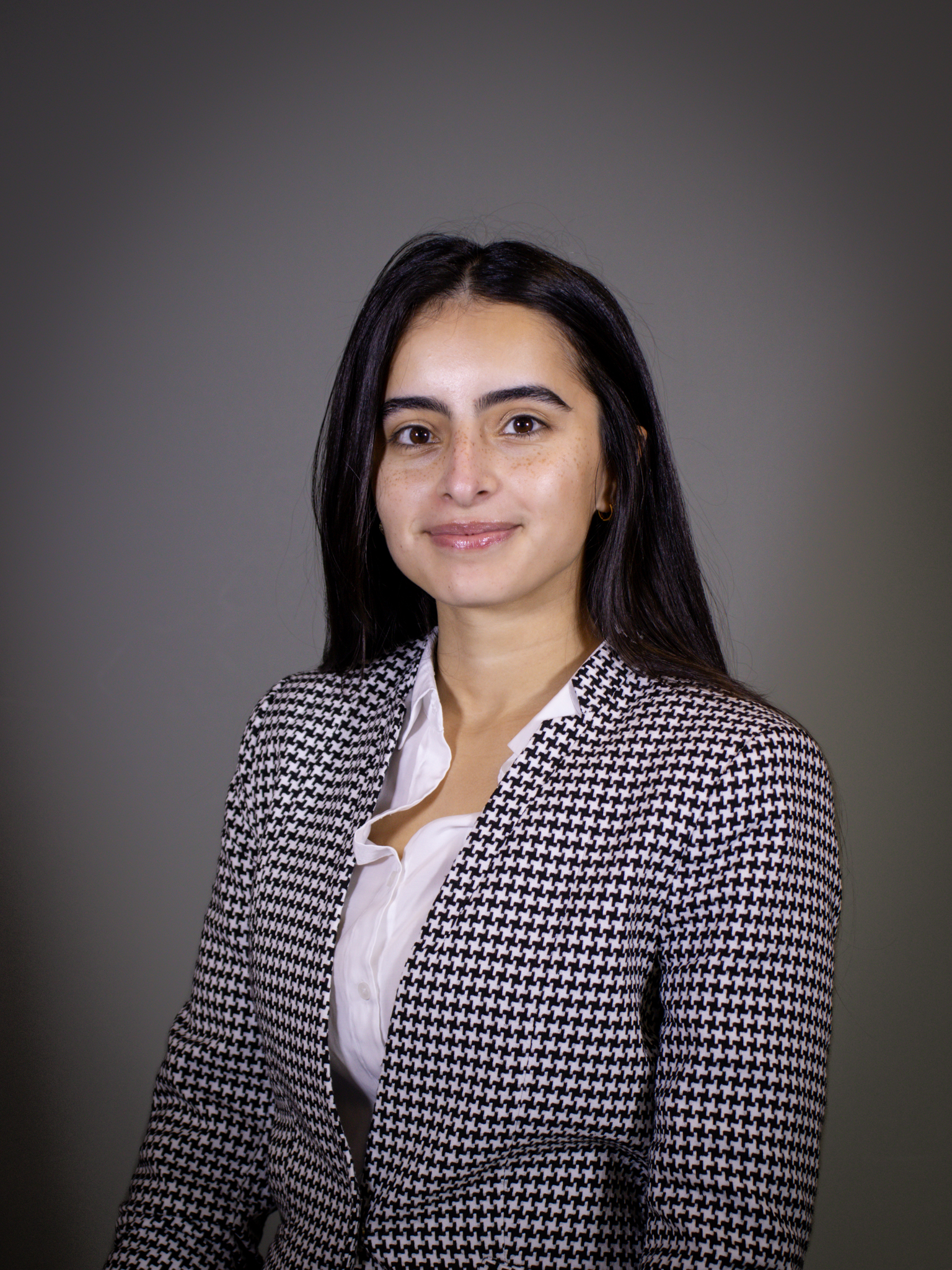
Isabella Mautino
As a DH Scholar, Isabella Mautino has spent time at the IDRH expanding her understanding of computational text analysis. This experience allowed her to better understand what the digital humanities are and, specifically, how researchers in the field of English use them. As a senior in the English and History department, this experience will allow Mautino to use these digital skills for her own research in graduate school, where she plans to specialize in comparative literature with an emphasis on Renaissance drama and epic.

Zander Semrau
Zander Semrau is a second-year student at KU studying Visual Arts, German, and Global and International Studies. So far in working with the IDRH, Semrau has enjoyed engaging with archival CDs from The Kansas City Call newspaper the most. This data retrieval project has been an opportunity to hone their skills in file management and problem-solving across digital mediums. They look forward to eventually translating the information from each disc into a format that can be used to advance the larger project. After finding a way to consistently open and view the content of the discs, the Scholars hope to return the knowledge back to The Call. Semrau argues that contributing to preserving the legacy of such a historically important paper makes the work feel both relevant and significant.